What Real Self-Defense Looks Like: Awareness, Avoidance, and Action

When people think about self-defense, they often picture the physical side of it. They imagine punches, kicks, blocks, and learning how to fight off an attacker. While those skills are certainly part of self-defense training, they are only one piece of a much larger picture.
In reality, effective self-defense starts long before a physical confrontation ever occurs.
The goal of self-defense is not to win a fight. The goal is to stay safe. Sometimes that means recognizing a potentially dangerous situation before it escalates. Sometimes it means making smart decisions, setting boundaries, or removing yourself from a problem. Physical techniques are important, but they are often the last step in a series of choices and actions that can help keep someone safe.
Understanding this broader approach to self-defense is one of the most valuable lessons martial arts can teach.
Awareness Is Your First Line of Defense
Many dangerous situations don't happen without warning. There are often signs that something isn't right, but people can miss those signs when they are distracted, rushing, or simply not paying attention to their surroundings.
Situational awareness is the ability to notice what is happening around you and recognize when something deserves your attention. It doesn't mean being fearful or constantly expecting something bad to happen. It simply means staying present and aware of your environment.
For children, this may involve recognizing when a situation feels uncomfortable and knowing they should seek help from a trusted adult. For teenagers, it could mean paying attention to social situations that are becoming risky or unsafe. For adults, it may involve recognizing warning signs before a confrontation develops.
Awareness gives people more options. The earlier you recognize a potential problem, the more opportunities you have to avoid it.
Avoidance Is Often the Smartest Choice
One of the biggest misconceptions about self-defense is that people should always stand their ground.
In reality, many situations are best handled by leaving. Walking away from a confrontation, avoiding a risky situation, or choosing not to engage with someone who is looking for trouble is often the safest and most effective response.
This can be a difficult lesson, especially for children and teenagers who may worry that walking away makes them look weak. The truth is that avoiding unnecessary conflict often requires confidence and maturity. It means putting safety ahead of pride.
Martial arts teaches students that they do not have to prove themselves to anyone. They don't need to respond to every insult, argument, or challenge. Learning when to disengage is a skill, and in many cases it is one of the most important self-defense skills a person can develop.
The strongest person in the room is not always the one who can fight. Often it is the person who can recognize when a fight isn't worth having.
Communication Can Prevent Escalation
Many conflicts begin with misunderstandings, frustration, or poor communication. Knowing how to speak clearly, set boundaries, and respond calmly can often prevent a situation from becoming more serious.
This is one reason martial arts places such a strong emphasis on respect and self-control. Students learn how to manage their emotions and communicate appropriately, even when they are frustrated or under pressure.
For children, this may mean learning how to stand up for themselves without becoming aggressive. For adults, it can mean handling difficult conversations with confidence and composure. In both cases, communication becomes another tool that helps reduce the likelihood of conflict escalating.
Good communication won't solve every problem, but it can often prevent situations from becoming physical.
Confidence Plays a Bigger Role Than Most People Realize
When people hear the word confidence, they often think about feeling good about themselves. In the context of self-defense, confidence has a practical purpose.
Confident people tend to carry themselves differently. They make eye contact, speak clearly, and appear more aware of what is happening around them. They are often better at setting boundaries and less likely to be intimidated by social pressure.
Confidence also helps people trust their instincts. If a situation feels wrong, a confident person is more likely to listen to that feeling and take action rather than ignoring it.
This is one reason martial arts training can be so valuable. Confidence is not built through encouragement alone. It develops through practice, effort, and accomplishment. As students overcome challenges and develop new skills, they begin to trust themselves more. That self-trust often carries into situations far beyond the training floor.
When Physical Self-Defense Becomes Necessary
While awareness, avoidance, communication, and confidence are all important, there are situations where physical self-defense may become necessary.
This is where martial arts training provides practical skills that can help people protect themselves and create an opportunity to get to safety. The focus should never be on winning a fight or proving who is stronger. The focus should be on protecting yourself and escaping danger whenever possible.
Good self-defense training emphasizes control, judgment, and responsibility. Students learn that physical techniques are tools to be used when there are no better options available.
Understanding when and how to use those skills appropriately is just as important as learning the techniques themselves.
Why Martial Arts Is About More Than Fighting
One of the greatest benefits of martial arts is that it teaches a complete approach to self-defense.
Students learn awareness so they can recognize potential problems. They learn confidence so they can carry themselves with self-assurance. They learn communication and emotional control so they can navigate difficult situations effectively. And they learn physical skills so they are prepared if all other options fail.
These lessons benefit children, teens, and adults alike because they extend far beyond self-defense. They help people make better decisions, handle challenges more effectively, and move through the world with greater confidence.
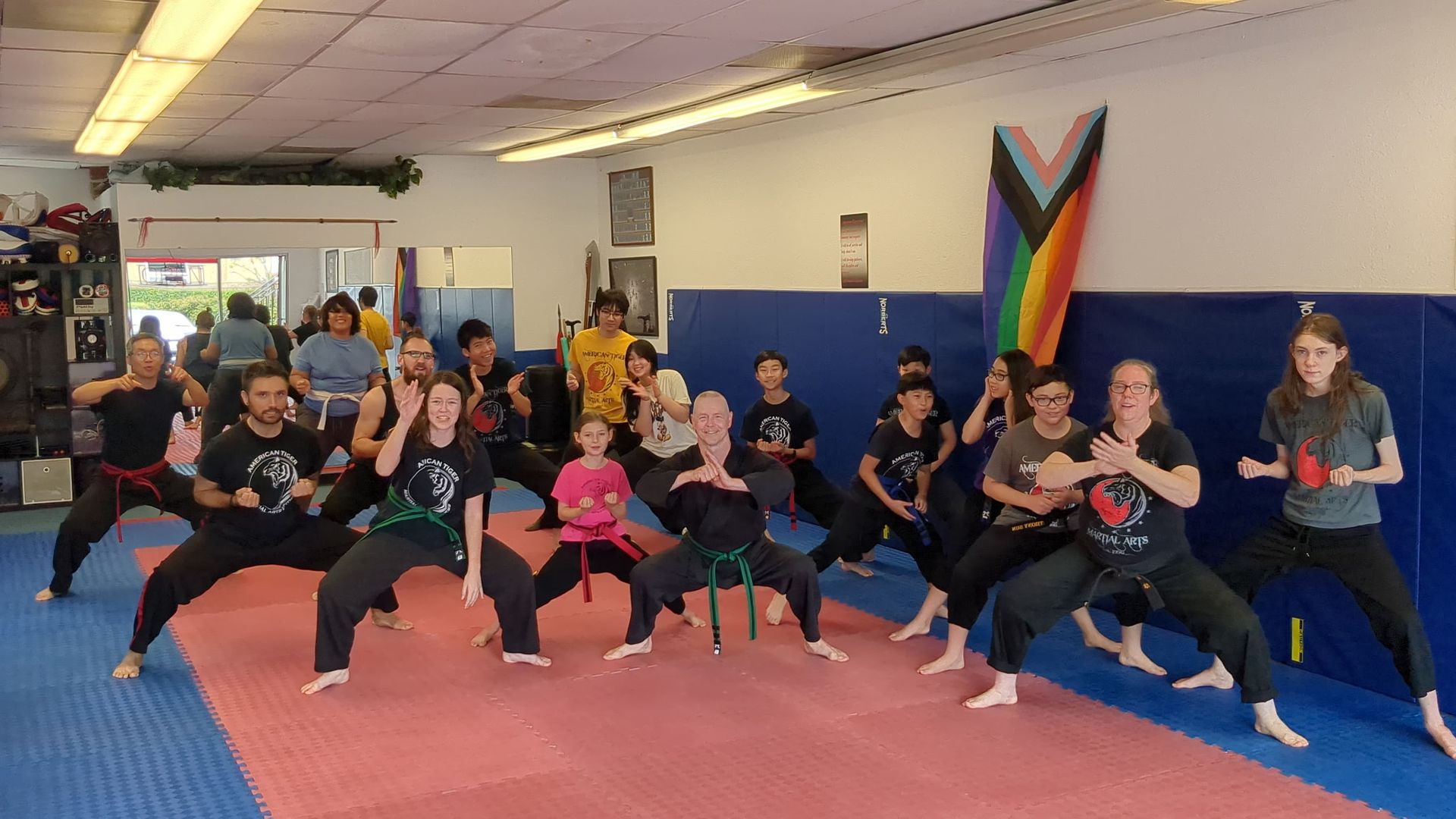
Learn Real Self-Defense at American Tiger Martial Arts
At American Tiger Martial Arts, we believe self-defense is about much more than learning how to punch and kick. Our students develop awareness, confidence, discipline, and practical skills that help them stay safe while building character and resilience.
Whether you're looking for martial arts classes for your child or interested in training yourself, we invite you to come experience the difference. Contact American Tiger Martial Arts today to schedule a trial class and learn what real self-defense looks like.